MML — Maharashtra Made Liquor — Demand Rises Sharply Fuelled by Lower Excise Duty
Maharashtra's newly introduced MML category is witnessing recurring shortages as lower excise duties make it nearly ₹550 per litre cheaper than conventional IMFL, triggering a visible shift in consumer preference across the state.
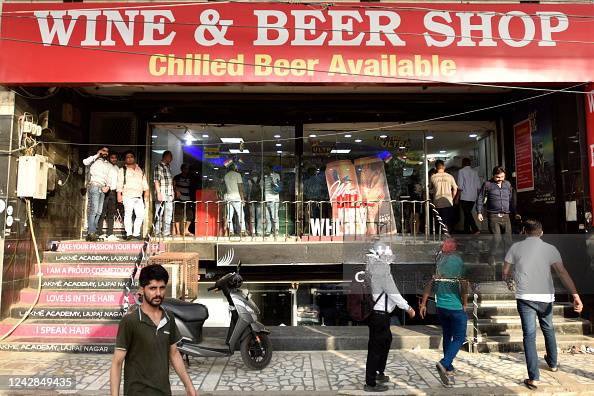
Maharashtra's newly introduced liquor category, Maharashtra Made Liquor (MML), is witnessing a sharp rise in consumer demand, with retailers and distributors across the state reporting recurring shortages driven by lower excise duties leading to lower pricing.
The state government introduced MML in 2025 aimed at supporting local distilleries and reviving underperforming manufacturing units. Unlike Indian Made Foreign Liquor (IMFL), which attracts an excise duty of 450% on manufacturing cost, MML is taxed at a significantly lower rate of 270%, making it substantially cheaper for consumers.
Industry officials say the lower tax burden has translated into a price advantage of nearly ₹550 per litre compared to conventional IMFL products, prompting a visible shift in consumer preference toward locally manufactured brands.
According to surveys, demand has outpaced initial projections since the category's launch in October. Manufacturers have struggled to maintain regular supply.
The surge in demand comes amid broader disruptions in Maharashtra's liquor market following a steep increase in excise duties on IMFL and imported liquor. The state government raised IMFL excise duty by 50% in June 2025 — the first major revision since 2011 — as part of efforts to increase revenue collections.
The revised taxation structure pushed up retail liquor prices sharply, with some IMFL products witnessing price increases of 30% to 50%. This has contributed to consumers shifting toward lower-cost alternatives such as MML and country liquor.
Market analysts believe Maharashtra's new liquor policy is reshaping the state's alcohol industry by creating a protected space for local manufacturers. Current regulations mandate that MML must be produced within Maharashtra using locally sourced rectified spirit, while companies must maintain at least 25% state-based ownership and no foreign investment to qualify under the category.