VAT Burden Forces Restaurant Bars to Shut, While Other Licenses see increase in Business
A 10% VAT levy on restaurant bars is driving closures across Maharashtra, while tax-exempt wine shops thrive — with license valuations soaring to ₹8–10 crore.
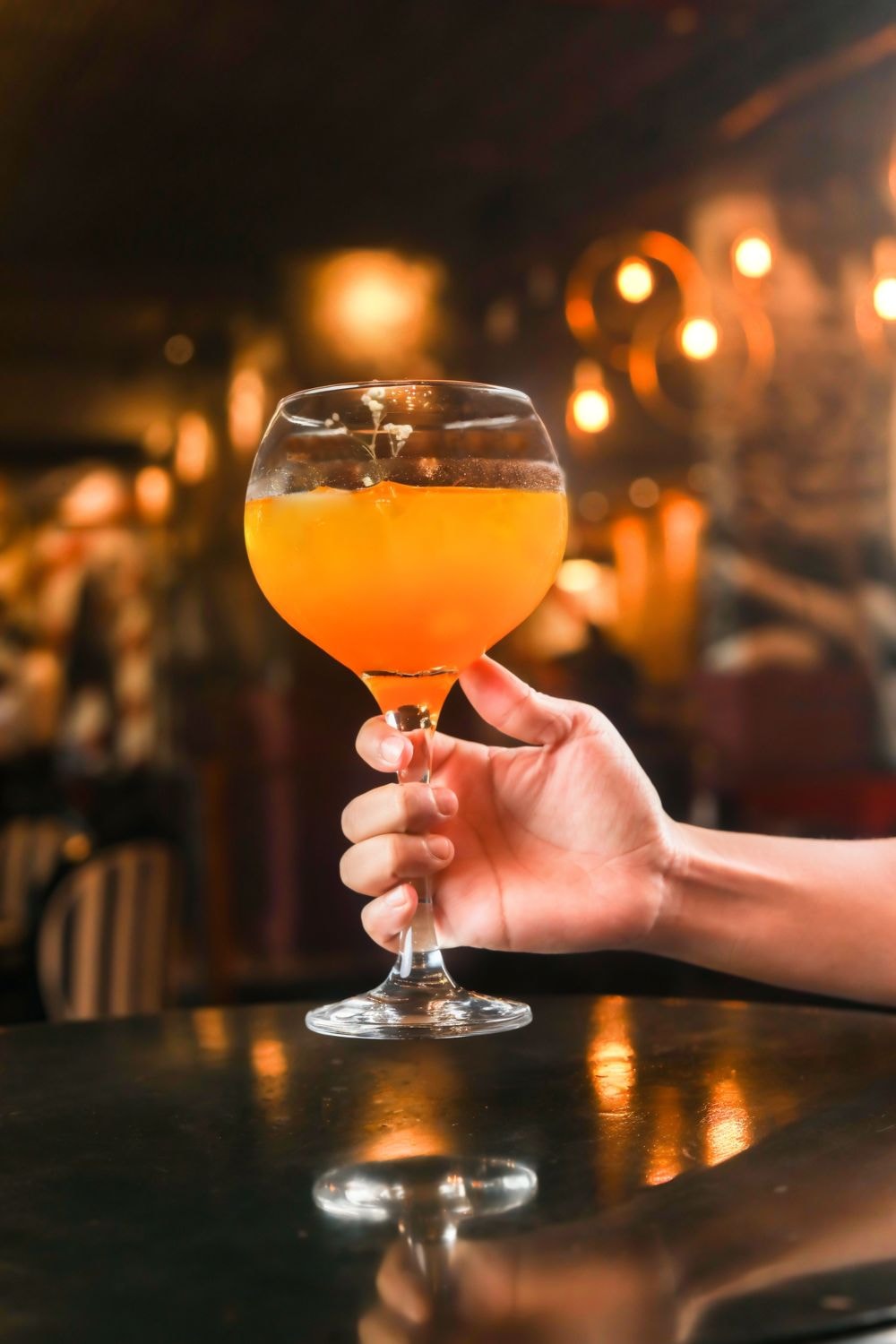
A growing number of restaurant bars across Maharashtra are shutting down or opting out of license renewals, as a 10% Value Added Tax (VAT) levy continues to strain the hospitality sector — while other liquor licenses which are exempt from the tax, see a boost in business.
The disparity has become especially visible following the March 31, 2026 license renewal deadline. In Nagpur alone, around 40 bars reportedly chose not to renew their licenses. Industry estimates suggest that nearly 100 to 200 bars across the state have followed suit.
A widening tax imbalance is reshaping the hospitality landscape in Maharashtra, as restaurant bars shut down in increasing numbers under the weight of the 10% VAT levy, while other tax-exempt establishments thrive — driving the value of their licenses to as high as ₹8 to 10 crores.
Prior to 2011, liquor taxation was broadly uniform across establishments, including bars and restaurants, and other retail outlets. However, policy changes in 2011 removed VAT from all liquor-serving entities, while introducing a 5% VAT specifically on restaurant bars. The tax burden on these establishments was later doubled to 10% in 2023.
Industry stakeholders argue that this uneven structure has distorted competition. Bar owners argue that the policy has created a structural disadvantage. "We are taxed heavily for serving the same product that wine shops sell without VAT," said a restaurateur. "Customers are simply choosing the cheaper alternative." Bars charge higher to recover additional costs like sitting place, table service, air conditioning, etc. VAT of 10% further increases the difference in pricing in comparison to VAT-exempt establishments.
With higher bills at bars and restaurants, many consumers are shifting toward purchasing alcohol from over-the-counter outlets, where no VAT is applied, particularly affecting mid-sized and smaller establishments that lack the margins to absorb rising costs.
Hospitality associations warn that the shift is not just hurting business owners but also impacting employment. The sector employs lakhs across roles such as service staff, kitchen workers, and support personnel — many of whom now face uncertainty.
Restaurant Bar Associations are urging the state government to revisit the tax framework, arguing for parity across all liquor-selling platforms. Some have suggested either removing VAT from restaurant bars or applying a uniform tax across retail and on-premise consumption to restore balance.
Economists note that differential taxation can significantly influence market behaviour. "When taxes vary across points of sale for the same product, consumption patterns shift quickly," one business owner observed.
As closures mount and renewals decline, the hospitality sector in Maharashtra faces a critical juncture. Without intervention, industry leaders warn of further shutdowns, a shrinking nightlife economy, and job losses. The contrast between booming valuations of retail outlets and shuttered restaurant bars underscores a growing divide that demands urgent policy attention.