Maharashtra Liquor Industry Reforms Long Overdue
From archaic licensing structures and punitive VAT disparities to a fragmented excise framework, Maharashtra's liquor industry is crying out for a comprehensive policy overhaul that successive governments have deferred for decades.
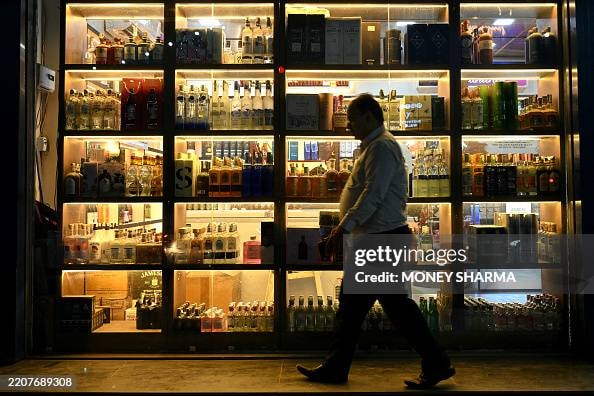
Maharashtra is home to one of India's largest and most complex liquor industries — spanning wine, beer, spirits, and country liquor — yet its regulatory framework has remained largely unchanged for decades. Industry stakeholders, legal experts, and trade associations have long argued that a comprehensive policy overhaul is not just desirable but urgently necessary.
The state's excise policy is governed primarily by the Maharashtra Prohibition Act of 1949, a legislation conceived in a very different economic and social era. While amendments have been made over the years, the core architecture of the law — including its licensing categories, fee structures, and enforcement mechanisms — has not kept pace with the dramatic transformation of the industry it regulates.
One of the most glaring anomalies in the current framework is the differential VAT treatment of liquor-serving establishments. Restaurant bars are subject to a 10% VAT on liquor sales, while wine shops and other retail outlets are entirely exempt. This disparity, which was introduced in 2011 and doubled in 2023, has created a structural disadvantage for the hospitality sector and is driving closures across the state.
The licensing fee structure is another area ripe for reform. Maharashtra currently charges flat annual fees for most liquor licences, regardless of the volume of business conducted by the licensee. This one-size-fits-all approach penalises smaller operators while providing a windfall to large-volume establishments. Industry bodies have proposed a shift to sales-linked licensing fees, which would align the state's revenue with actual market activity and reduce the burden on marginal operators.
The proliferation of licence categories is a further source of confusion and inefficiency. Maharashtra has over two dozen distinct liquor licence types, each with its own fee structure, eligibility criteria, and operational conditions. This complexity creates significant compliance costs for businesses and administrative burdens for the excise department. Rationalising the licence framework into a smaller number of clearly defined categories would benefit both industry and government.
Enforcement is another area where reform is overdue. The current system relies heavily on periodic inspections and discretionary action by excise officers, creating opportunities for inconsistency and, in some cases, harassment of legitimate businesses. A more transparent, rule-based enforcement framework — with clear criteria for action and robust appeal mechanisms — would improve compliance and reduce the scope for arbitrary decisions.
The treatment of wine has been a particular flashpoint. Maharashtra is India's largest wine-producing state, with the Nashik region accounting for the bulk of domestic production. Yet the state's wine policy has been inconsistent, with frequent changes to retail regulations, taxation, and distribution rules that have created uncertainty for producers and investors. A stable, long-term wine policy — modelled on international best practices — would help the sector realise its considerable potential.
The illegal liquor trade remains a persistent problem, as the tragic hooch deaths in Pune in May 2026 demonstrated. Experts argue that overly restrictive and expensive licensing regimes drive consumers and producers toward the unregulated market. Reforms that make legal liquor more accessible and affordable — through rationalised fees, reduced VAT, and streamlined licensing — would help shrink the space available to illegal operators.
There are signs that the current government is aware of the need for change. The Maharashtra Made in Maharashtra (MML) policy, the proposed sales-linked licensing fee structure, and various excise circulars issued in recent years suggest a willingness to experiment with new approaches. But these incremental measures fall short of the comprehensive reform that the industry needs.
What is required is a root-and-branch review of the Maharashtra Prohibition Act and the excise policy framework, conducted with meaningful input from industry stakeholders, legal experts, public health professionals, and consumer representatives. Such a review should aim to create a regulatory environment that is fair, transparent, and conducive to legitimate business — while maintaining robust safeguards against the harms associated with alcohol misuse.
The political economy of liquor reform in Maharashtra is admittedly complex. The industry is a significant source of state revenue, and any changes to the fee or tax structure will have fiscal implications that need to be carefully managed. There are also legitimate public health considerations that must be balanced against the interests of the trade. But these challenges are not insurmountable, and the cost of continued inaction — in terms of business closures, lost revenue, and the persistence of the illegal trade — is growing.
Maharashtra's liquor industry has the potential to be a model for the rest of India — a well-regulated, professionally managed sector that generates employment, contributes to the state's fiscal health, and supports the growth of allied industries such as tourism and hospitality. Realising that potential requires the political will to undertake the reforms that have been deferred for too long.